
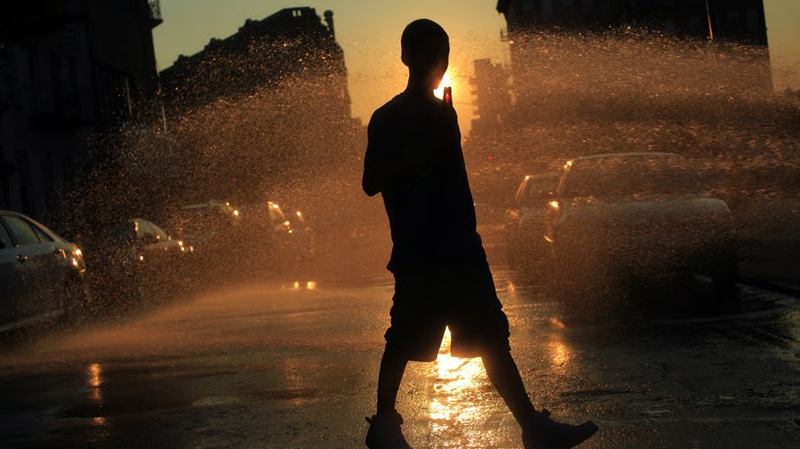

On a hot summer afternoon, two neighborhoods in the same city can sit several degrees apart, and the gap is rarely an accident of geography. It usually comes down to trees, pavement, and decisions made decades ago about where to invest and where not to. As cities keep breaking heat records, the science behind why some blocks bake while others stay comparatively bearable has become one of the more urgent stories in public health.
What Exactly Is an Urban Heat Island?
An urban heat island is the pattern where a city runs measurably hotter than the rural or less developed land surrounding it, sometimes by as much as several degrees Celsius, or roughly three to seven degrees Fahrenheit, during peak heat. The cause comes down to how cities are built. Concrete, asphalt, and dark rooftops absorb and hold onto solar heat far more efficiently than soil and vegetation do. Fewer trees mean less shade and less of the natural cooling effect plants provide as they release water vapor. Add waste heat from vehicles, air conditioners, and industry, and a city becomes its own weather system, one that runs warmer day and night compared to the countryside just outside it.
Why Are Some Neighborhoods So Much Hotter Than Others?
The heat island effect is not evenly distributed even within a single city. Some neighborhoods have mature tree canopies, parks, and lighter colored surfaces, while others are dominated by dense pavement, industrial buildings, and few green spaces at all. That difference alone can produce a measurable temperature gap between two areas just a few miles apart, with the more paved, less green neighborhoods running noticeably hotter on the exact same day.
What Does This Have to Do With Redlining?
This is where the story stops being purely about physics and starts being about history. Researchers who mapped heat exposure against demographic data across more than 170 of the largest urbanized areas in the United States found that people of color live in measurably hotter neighborhoods than white residents in nearly every single one. A similar pattern held for people living below the poverty line compared to wealthier residents.
That is not a coincidence of geography. Decades of redlining and disinvestment steered infrastructure spending, tree planting, and park development away from many of the same neighborhoods that were historically denied mortgages and investment on the basis of race. Fewer trees were planted, less green space was preserved, and more industrial and heat absorbing development was concentrated in those areas. The temperature gap showing up today is, in many cities, a fairly direct legacy of decisions made generations ago.
What Are the Actual Health Risks of Living in a Heat Island?
The health consequences of extra heat exposure are well documented and serious. Elevated temperatures are linked to heat exhaustion and heat stroke, additional strain on the cardiovascular system, worse outcomes for people with chronic kidney disease, and respiratory complications. Globally, heat related causes are estimated to contribute to roughly half a million deaths a year, and researchers project that toll will keep climbing as both global warming and continued urbanization intensify the heat island effect in the decades ahead.
Warmer nighttime temperatures make the problem worse in a way that is easy to overlook. The human body needs a period of cooler temperatures overnight to recover from heat stress. Urban heat islands blunt that nighttime cooldown, which means residents in the hottest neighborhoods often do not get meaningful relief even after the sun goes down.
Who Is Most Vulnerable?
Older adults, young children, pregnant people, and anyone with an existing chronic health condition face the highest risk from extreme heat exposure. Outdoor workers face elevated risk simply due to prolonged exposure during the hottest parts of the day. People without reliable access to air conditioning, whether due to cost or an aging building without central cooling, face compounding risk regardless of age or health status, since there is often no way to escape the heat even at home.
What Are Cities Actually Doing About It?
Cities with the most advanced heat response strategies are combining two approaches: changing the physical environment and preparing the emergency response system. On the physical side, that means planting trees in the neighborhoods that have historically had the fewest, installing reflective or light colored roofing to replace heat absorbing dark surfaces, and using permeable paving materials that hold less heat than traditional asphalt. On the response side, cities are building extreme heat action plans that identify the highest risk neighborhoods in advance, open cooling centers and extend library and recreation center hours during heat waves, and add shade structures at bus stops and other outdoor gathering points.
Experts studying these interventions are clear that no single fix works everywhere. A solution built for a dense, low income neighborhood with little green space looks different from one built for a suburban area with more room to work with, which is part of why city specific planning matters more than copying a single template.
What Can You Do to Protect Yourself?
A few habits meaningfully reduce personal risk during periods of extreme heat:
- Know the early signs of heat exhaustion, including heavy sweating, dizziness, nausea, and muscle cramps, and treat them as a signal to cool down immediately rather than push through.
- Check on neighbors who may be more vulnerable, particularly older adults living alone or anyone without reliable air conditioning.
- Identify your nearest cooling center or air conditioned public space in advance, before a heat wave arrives rather than during one.
- Limit outdoor activity during peak afternoon heat when possible, and stay especially cautious if you work outdoors.
- Stay hydrated consistently throughout the day, not just when you start to feel thirsty.
The Bottom Line
Urban heat is not just a weather story. It is a mirror held up to how cities were built and who they were built for. The neighborhoods running hottest today are very often the same ones shaped by decades of disinvestment, which means solving the heat problem and addressing that older inequity are turning out to be the same project. Understanding which category your own neighborhood falls into is a reasonable first step toward protecting yourself and the people around you as summers keep getting hotter.
This article provides general health and safety information, not personalized medical advice. If you or someone near you shows signs of heat stroke, including confusion, a very high body temperature, or loss of consciousness, treat it as a medical emergency and seek immediate help.


