
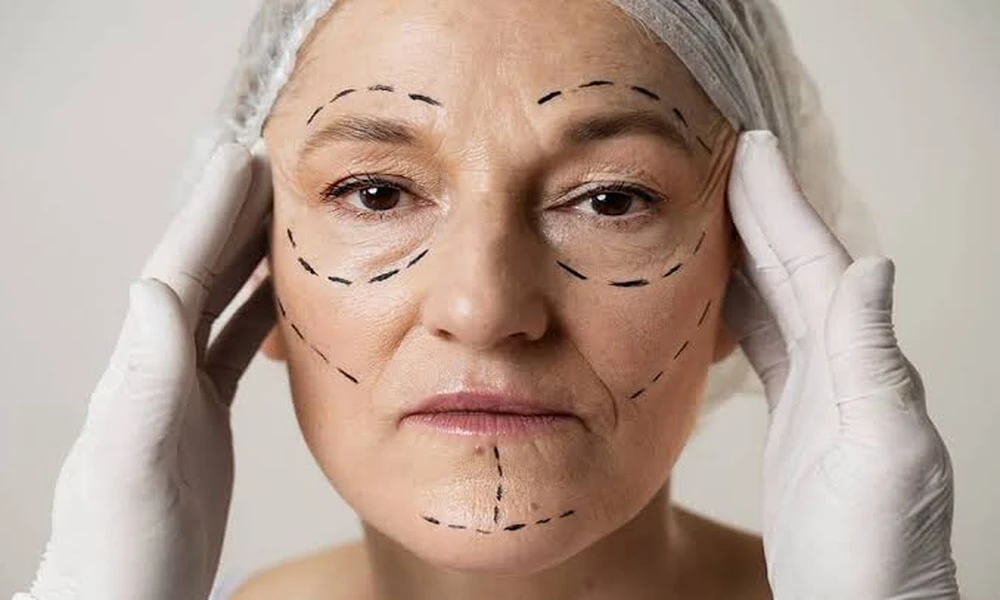

Gravity works on everyone, but its effects on the jawline often appear first. Sagging cheeks plus loose neck skin can make a rested face look tired. Many overseas patients now consider a facelift in thailand because accredited hospitals offer skilled surgeons at lower prices. Even so, the operation itself is only one piece of a longer journey. Recovery takes weeks rather than days. Careful preparation decides whether that time passes smoothly.
Mini Lift Versus Full Lift
A mini lift tightens the lower face through shorter incisions near the ears. It suits early sagging, usually in patients during their forties. A full lift reaches deeper tissue across the cheeks, jawline plus neck. It lasts longer yet needs more recovery time.
Deep Plane Approach Explained
Deep plane surgery lifts muscle plus skin together as one layer. Surgeons say this creates a more natural look without a pulled appearance. The operation often runs between four and six hours. Fewer surgeons are trained in this method, so availability varies.
Preparing Weeks Before Surgery
Good preparation lowers complication risks noticeably. Start these steps roughly one month ahead.
- Stop smoking at least four weeks before the operation date.
- Pause blood-thinning supplements after checking with your doctor.
- Send clear facial photos for a remote surgical assessment.
- Arrange a hotel within a short distance of the hospital.
- Pack loose shirts that button rather than pull over the head.
- Plan soft meals because chewing may feel tight initially.
- Bring someone who can help during the earliest recovery days.
- Book return flights no earlier than fourteen days afterward.
First Two Weeks Afterwards
Swelling plus bruising usually peak around days two to three. Drains, if used, normally come out within forty-eight hours. Stitches near the ears are removed between five and ten days. Most patients feel presentable in public after about two to three weeks.
What Outcome Should You Expect After Full Healing?
Expect a fresher look rather than a completely different face. Jawlines become sharper while neck skin sits tighter. Deep creases around the mouth may soften but rarely vanish fully. Final contours usually settle between three to six months.
Longevity depends on technique plus personal habits. Most patients enjoy effects lasting roughly seven to ten years. Anyone choosing a facelift in thailand should view before-and-after photos taken months later, not days. Sun protection plus avoiding smoking help results last longer. Ageing continues afterwards, though from an improved starting point. Some patients combine the lift alongside eyelid work for balanced overall change.
Risks Worth Discussing Openly
Bleeding under the skin is the most common early complication. Temporary numbness around the ears usually fades within months. Choosing a board-certified plastic surgeon keeps risks as low as possible.
Recovery Milestones Week by Week
| Timeframe | What Typically Happens | Activity Guidance |
| Days 1 to 3 | Peak swelling, possible drains | Rest with head raised |
| Days 5 to 10 | Stitch removal near ears | Gentle walks allowed |
| Week 2 | Bruising fades noticeably | Flying usually approved |
| Weeks 3 to 4 | Most visible swelling gone | Return to office work |
| Months 3 to 6 | Final shape settles | Normal exercise resumes |
Healing rarely follows an exact calendar for every patient. Surgeons adjust these milestones based on each check-up.
Doubts Patients Frequently Raise
- How long does the operation usually take? Between two and six hours, depending on the method chosen.
- Will scars be noticeable afterwards? Incisions sit around the ears, so most fade into natural creases.
- When can I colour my hair again? Most surgeons advise waiting about six weeks after surgery.
- Is general anaesthesia always required? Not always, since mini lifts sometimes use sedation instead.
- How soon can I exercise? Light walking starts early, while intense workouts wait six weeks.
- Can a lift be repeated later? Yes, secondary lifts remain possible after many years.
Patience Reveals the True Change
Facial surgery rewards steady aftercare more than flawless timing. Follow every instruction about sleeping position, garments plus sun protection. Attend each scheduled check even when healing seems fine. Small daily habits protect improvements for many years. Consistency matters far more than chasing a perfect mirror image.