
The fastest way to learn How to Clean Your Belly Button is to wash it daily with warm water and a mild, fragrance-free soap. Use a soft washcloth or your fingertip to gently clean around the inner folds, then rinse and pat the area completely dry. Doing this once a day, ideally during your regular shower, is usually enough to prevent odor, lint buildup, and irritation.
It sounds like a strange thing to need instructions for, but the belly button is one of the most overlooked spots on the body. It’s a small, curved pocket of skin that traps moisture, lint, and dead skin cells, and unless you make a point of reaching it, it can go weeks without a proper clean.
Why Your Navel Needs Special Attention
Most people assume that water running over the stomach in the shower is enough to clean the navel too. In reality, the belly button has its own micro-climate. It’s warm, slightly damp, and shielded from direct airflow, which makes it a comfortable spot for bacteria and yeast to settle in.
Over time, sweat, soap residue, fabric fibers, and shed skin cells combine inside the navel to form a small, dark clump. This buildup even has a clinical name, an omphalolith, and while it’s usually harmless, it’s also the main reason navels can start to smell or feel itchy if they’re never cleaned directly.
Step-by-Step: The Right Way to Clean It
| Step | What To Do | Why It Helps |
|---|---|---|
| 1 | Wet the area with warm water during a shower or bath | Loosens dried sweat, oil, and trapped debris |
| 2 | Add a small amount of mild, unscented soap to a fingertip or soft cloth | Breaks down oil and bacteria without irritating the skin |
| 3 | Gently rub in small circles inside the navel, including the folds | Lifts out lint and dead skin without scratching delicate tissue |
| 4 | Rinse thoroughly with clean water | Removes all soap residue, which can otherwise trap more debris |
| 5 | Pat completely dry with a clean towel | Leftover moisture is the biggest cause of odor and fungal growth |
For Stubborn Buildup: A Few Extra Methods
If daily washing alone isn’t clearing things out, a slightly more targeted approach once or twice a week can help loosen older, drier buildup.
| Method | How To Use It | Best For |
|---|---|---|
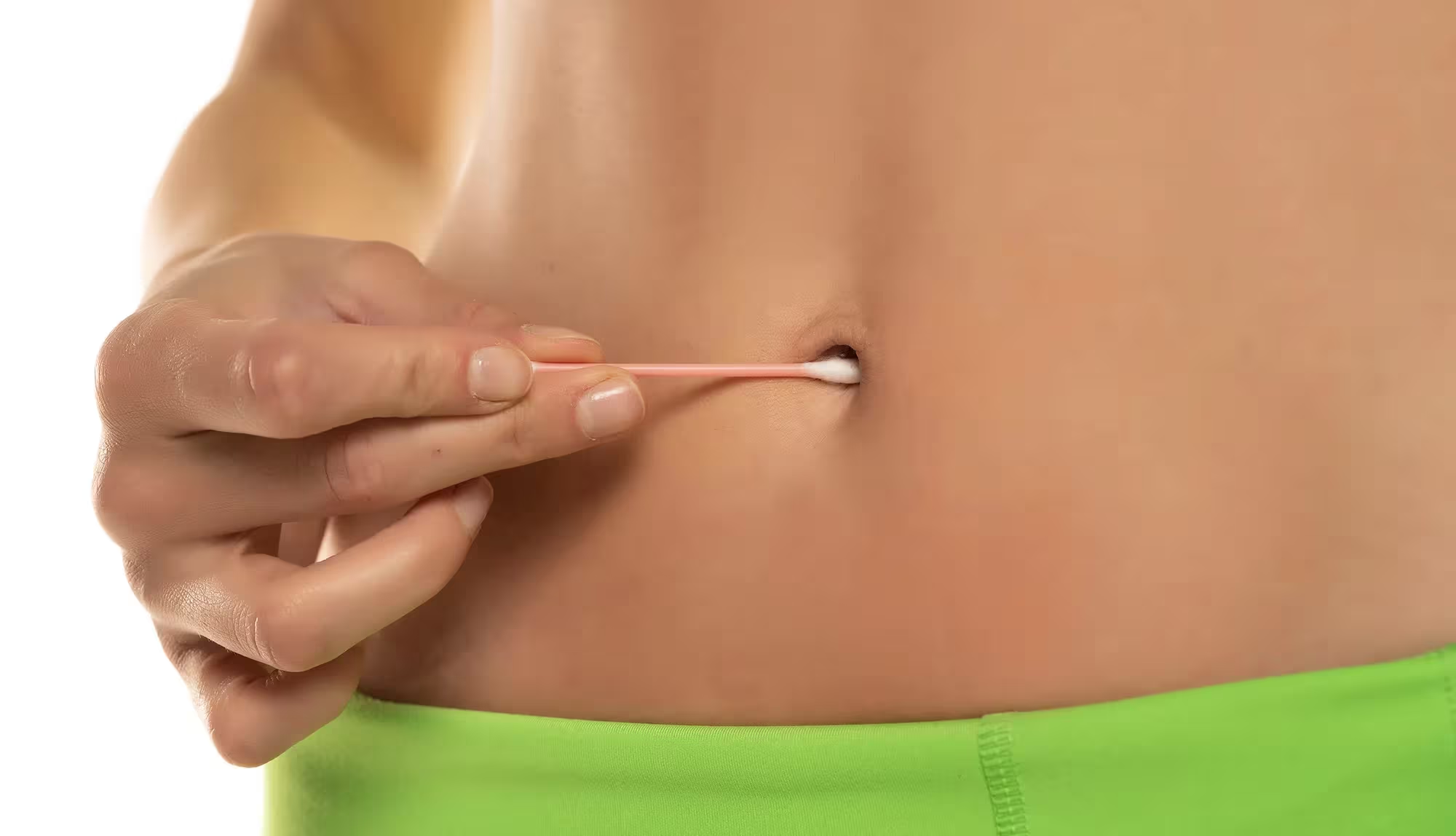
| Cotton swab + saline | Dip a clean swab in saline solution and gently roll it through the navel | Everyday lint and light buildup |
| Diluted rubbing alcohol | Lightly dampen a cotton ball with a 50/50 alcohol-water mix, dab gently | Disinfecting after a piercing or minor irritation |
| Warm baby oil | Apply a few drops, let sit 5 minutes, then wipe away with a damp cloth | Hardened or older debris that won’t budge with soap alone |
Avoid sharp objects like tweezers or fingernails to scrape out debris. They can scratch the thin skin inside the navel and create an entry point for infection.
If You Have a Belly Button Piercing
- Clean it twice daily with a saline piercing solution, not alcohol or hydrogen peroxide, which can dry out and irritate the wound
- Avoid rotating or twisting the jewelry while it’s healing
- Keep the area dry after cleaning; damp jewelry sitting against skin is a common cause of irritation bumps
- Expect healing to take anywhere from 6 months to a year, so stay consistent even if it looks fine early on
Normal vs. Something to Watch
| Normal | Worth Seeing a Doctor |
|---|---|
| Mild odor that clears up after washing | Strong, persistent smell even after cleaning |
| Small amounts of lint or dry skin | Yellow, green, or bloody discharge |
| Slight discoloration from old buildup | Redness or swelling that spreads outward |
| A bit of dryness or tightness after cleaning | Fever, pain, or a hot feeling around the navel |
Most navel issues are cosmetic rather than medical, but an infection inside the belly button (sometimes called omphalitis) does occasionally happen, particularly in people with deep-set navels, recent piercings, or diabetes. If cleaning doesn’t resolve the smell or irritation within a few days, it’s worth getting it checked rather than waiting it out.
Quick Answers
How often should I clean my belly button? Once a day is plenty for most people. If you sweat heavily or have a deep navel, a quick rinse-and-dry check at night can help too.
Why does my belly button smell even after I shower? Shower water often runs past the navel without actually entering it. You likely need to clean it directly rather than relying on general body wash runoff.
Is it normal to find a hard, dark clump in there? Yes, this is usually just an omphalolith, a buildup of sebum and skin cells. It’s harmless and can be softened with warm oil and gently cleaned out.