
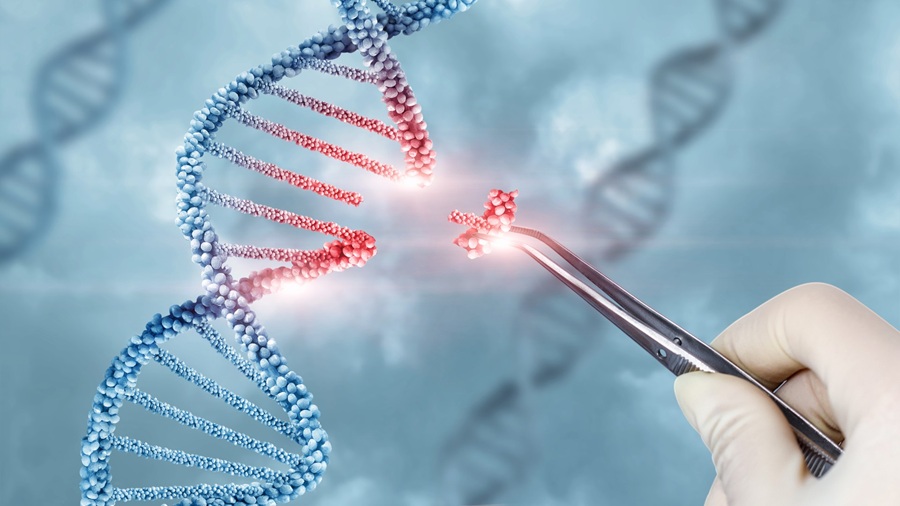

CRISPR used to be a word you mostly heard in headlines about hypothetical future medicine. That future arrived faster than most people realized, and what’s happening right now, real patients getting real infusions that edit their DNA, is honestly hard to overstate. Here’s what’s genuinely new.
A Single IV Infusion Just Treated a Genetic Disease Directly Inside the Body
This is the development that’s turning heads across the field. A single intravenous dose of an in vivo CRISPR therapy has shown it can meaningfully reduce attacks in patients with a rare, painful genetic swelling disorder. What makes this different from earlier gene editing successes is that the CRISPR system gets delivered straight into the patient’s body rather than editing cells outside the body first and infusing them back in, which is a genuinely different and more streamlined approach than what’s come before.
The First Ever Approved CRISPR Therapy Is Expanding Its Reach
It’s easy to forget how recent all of this actually is. The first FDA approved therapy built on CRISPR gene editing initially treated sickle cell disease and a related blood disorder by editing patients’ own stem cells to reactivate a form of hemoglobin the body normally stops producing after infancy. That same therapy just received expanded approval for broader use, a meaningful sign that regulators are growing more comfortable with gene editing as it accumulates a longer track record of real world safety data.
A Tiny Enzyme Is Solving One of Gene Editing’s Biggest Delivery Problems
Here’s a technical breakthrough that sounds small but actually matters enormously. Researchers identified a notably small enzyme that gets around long standing size limitations tied to how CRISPR components get delivered into cells using viral vectors. Delivery has genuinely been one of the biggest bottlenecks holding gene editing back from treating a wider range of diseases, so a smaller, more efficient delivery tool could open the door to conditions that were previously too difficult to target.
Scientists Found a Way to Edit Genes Without Cutting DNA at All
This one challenges what a lot of people assume gene editing even means. Researchers demonstrated a technique that can turn a gene back on by removing chemical tags that were silencing it, without making a single cut to the DNA itself. Traditional CRISPR works like molecular scissors, cutting DNA to disable or correct a gene. This epigenetic approach instead flips a genetic switch back to its natural “on” position, which could mean fewer of the unintended side effects that come with actually cutting the genome.
Trials Are Expanding Well Beyond Blood Disorders
The earliest CRISPR successes mostly focused on blood conditions like sickle cell disease, but the pipeline has broadened considerably since then. Late stage trials are now underway for a rare inherited swelling disorder, an inherited cholesterol condition, and researchers are preparing early stage human trials targeting Huntington’s disease by silencing the mutant gene responsible for it. Programs are also progressing in Duchenne muscular dystrophy and in engineering immune cells to fight cancer more effectively.
Even DNA Manufacturing Itself Is Getting a Tech Upgrade
The infrastructure behind gene therapy is advancing too, not just the treatments themselves. A newly developed silicon chip can write dozens of DNA sequences at once using electricity and water based enzymes, offering a cleaner alternative to how DNA has traditionally been manufactured in labs. Faster, cheaper DNA synthesis matters a lot for a field where every new therapy candidate needs custom genetic sequences built and tested before it ever reaches a patient.
Regulators Are Cautiously Opening the Door to Younger Patients
As these therapies rack up more years of follow up data, there’s real momentum toward extending some treatments to children rather than only adults. Expanding gene editing trials into younger age groups reflects growing confidence in the safety and reliability of these clinical protocols, though regulators continue to emphasize long term monitoring given how permanent a genetic edit potentially is.
The Bottom Line
Gene therapy has moved decisively out of the theoretical stage and into real clinical practice, with in vivo editing, smaller and more efficient delivery tools, and even DNA free of cutting approaches all advancing at once. The list of diseases within reach keeps growing, from blood disorders to neurological conditions to certain cancers, and the pace of new trial announcements suggests this is still very much accelerating rather than leveling off.
This content is for general informational purposes and isn’t medical advice. Talk to a qualified physician or genetic counselor about whether a gene therapy trial or treatment applies to your specific condition.


