
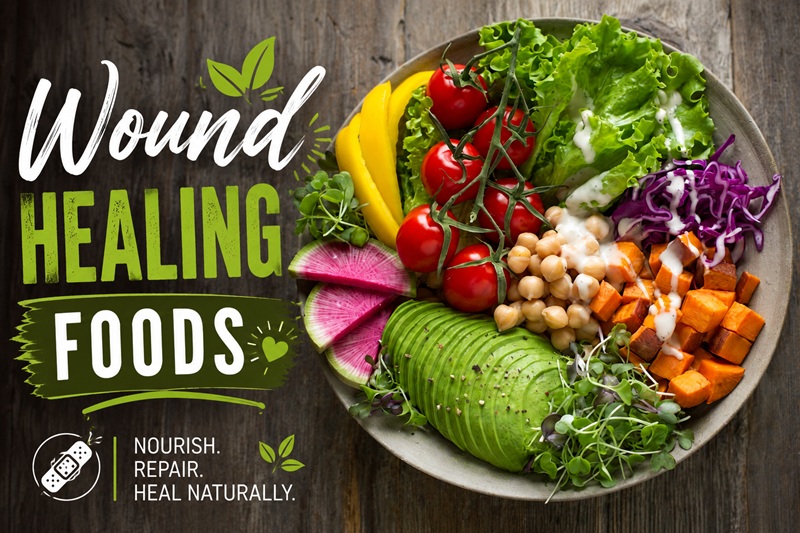

Whether you are recovering from surgery, an injury, or a slow healing wound, what is on your plate matters almost as much as what is in your medicine cabinet. The body treats healing like a construction project, and construction projects cannot proceed without raw materials. Wound healing foods, the specific proteins, vitamins, and minerals your body needs during recovery, are getting more attention from doctors than ever, partly because a growing share of surgical patients are now taking medications that change how much they eat in the first place.
Why Does Nutrition Matter So Much for Wound Healing?
Every stage of wound healing, from clotting to new tissue formation to closing the wound with fresh skin, depends on a steady supply of specific nutrients. Without them, the process slows down, and slower healing means more time exposed to infection risk. Research consistently shows that people who are malnourished heal more slowly, face a higher risk of infection, and experience more complications than people getting adequate nutrition during recovery. Good wound care and good nutrition work together. Neither one fully compensates for a shortfall in the other.
Which Nutrient Matters Most for Healing?
Protein, without much competition. Protein supplies the amino acids needed to build fibroblasts and new skin cells, and it is essential for collagen formation, the structural protein that holds healed tissue together. When protein intake falls short, wounds are measurably slower to close and more vulnerable to breaking back open. People recovering from a significant wound or surgery often need considerably more protein than they are used to eating, with some clinical guidance pointing to a range of about 1.5 to 2.0 grams of protein per kilogram of body weight, spread across the day in servings of roughly 25 to 35 grams per meal rather than loaded into a single sitting.
What Are the Best Wound Healing Foods to Eat?
A few categories consistently show up across clinical nutrition guidance for recovery:
- Lean proteins, including chicken, fish, eggs, and plant based options like lentils and tofu, to supply the amino acids tissue repair depends on.
- Leafy greens like spinach and kale, which provide vitamin K for clotting and vitamin C for collagen production.
- Citrus fruits and berries, both rich in vitamin C and antioxidants that help calm inflammation around the wound site.
- Nuts and seeds, particularly almonds, walnuts, chia, and flax, for vitamin E, zinc, and healthy fats that support skin elasticity.
- Sweet potatoes and carrots, good sources of the carotenoids that support skin barrier function and new cell growth.
- Bone broth, which combines easy to absorb protein with hydration in a form that is gentle on a reduced appetite.
What Role Do Vitamin C and Zinc Play?
These two deserve individual attention because they show up in nearly every study on wound recovery. Vitamin C is essential for synthesizing collagen, the protein responsible for closing and strengthening a wound, and it supports the immune system’s ability to fend off infection during recovery. Zinc plays a central role in cell division, which is exactly what a healing wound needs to happen quickly and correctly. A deficiency in either nutrient has been directly linked to slower healing times, which is part of why so many recovery focused meal plans deliberately pair a protein source with a vitamin C rich food at the same meal.
Why Is Hydration Part of the Wound Healing Equation Too?
Water carries oxygen and nutrients to the wound site, and dehydration can slow that delivery system down at the exact moment it matters most. Plain water covers the basics, but protein smoothies, bone broth, and juices fortified with vitamin C add nutritional value on top of hydration. On the other end, sugary drinks, excess sodium, and alcohol are worth limiting during recovery, since all three can contribute to dehydration and work against the healing process rather than supporting it.
Why Are Doctors Paying Closer Attention to Nutrition Before Surgery Right Now?
This is where wound healing nutrition has become a genuinely current conversation rather than a purely evergreen one. GLP-1 medications like semaglutide and tirzepatide, widely used for weight loss and diabetes, work partly by suppressing appetite and slowing digestion. That is very effective for weight management, but it can also mean eating meaningfully less protein right around the time a body may need extra protein to heal, whether from a planned surgery or an unrelated injury.
The research on how much this actually affects healing outcomes is still evolving, and it is more mixed than a single headline can capture. Some large studies of surgical patients with diabetes have found GLP-1 users actually experienced lower rates of wound reopening and hospital readmission after surgery. Other research, particularly in body contouring and plastic surgery patients who had been on these medications for six months or longer, has found an association between poor nutritional status and complications like delayed healing and surgical site infection. A major 2025 consensus statement from anesthesia and diabetes specialty organizations did not find strong evidence that these medications directly impair wound healing on their own.
What most surgeons agree on, regardless of how the direct effect eventually gets settled, is that nutritional optimization matters more for anyone on a GLP-1 medication heading into surgery, not less. That is why a growing number of surgical teams now build a dedicated nutrition check, with a specific focus on protein intake, into pre-surgical planning for these patients.
What Foods Should You Limit While Healing?
A few categories work against recovery rather than supporting it. Highly processed foods high in added sugar and unhealthy fats can increase inflammation and place extra demand on the immune system at a time it needs to focus on healing. Excess sodium and alcohol both interfere with hydration, and chronically elevated blood sugar, whether from diet or an underlying condition, damages blood vessels and nerves in a way that is well documented to slow healing and raise infection risk. If you manage diabetes or prediabetes, keeping blood sugar in range during recovery is one of the most direct ways to support the healing process itself.
What Does a Full Day of Healing Focused Eating Look Like?
A practical day might start with scrambled eggs and spinach alongside a glass of orange juice, move to a mid morning snack of Greek yogurt with berries, and continue with a lunch built around a protein forward soup like chicken and vegetable with bone broth. An afternoon snack of apple slices with almond butter and a dinner of baked salmon with sweet potato rounds things out, with a small handful of nuts as an evening option if appetite allows for it. If a reduced appetite is making it hard to eat enough, smaller, more frequent meals and protein shakes or smoothies tend to work better than trying to force down three large meals a day.
The Bottom Line
Wound healing is not just a medical procedure happening to your body. It is an active metabolic process that runs on the food you actually eat, especially protein. That has always been true, but it matters more than ever as more surgical patients arrive at the operating table already eating less due to appetite suppressing medications. Whether you are recovering from a minor injury or a major procedure, treating nutrition as part of your care plan, not an afterthought to it, is one of the most direct ways to support faster, safer healing.
This article provides general nutrition information and is not a substitute for personalized medical advice. If you are recovering from surgery or a significant wound, or you are taking a GLP-1 medication and have an upcoming procedure, talk to your doctor or a registered dietitian about a nutrition plan tailored to your specific situation. Never stop or adjust a prescribed medication without medical guidance.


