
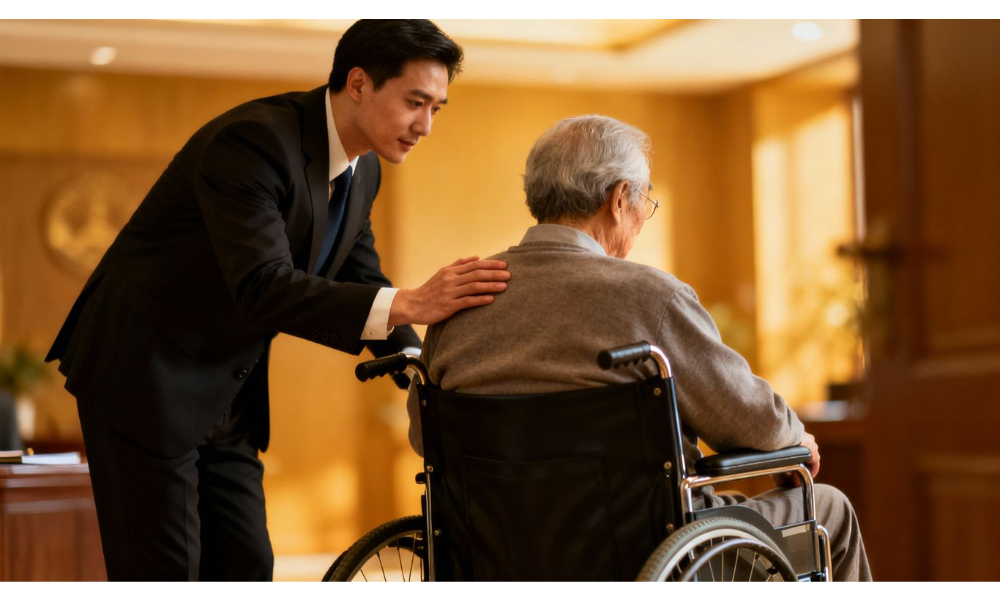

It can be difficult to accept that a loved one might be suffering from abuse or neglect in a nursing home. However, being aware of the potential indicators is the first step toward ensuring their safety and well-being. These signs can manifest in various ways, affecting a resident’s physical health, emotional state, and the environment in which they live.
Physical Indicators Of Mistreatment
Physical signs of abuse are often the most apparent, though they can sometimes be mistaken for natural aging or illness. It’s important to look for changes that seem out of the ordinary or unexplained. These can include:
- Unexplained injuries: Bruises, cuts, burns, or broken bones that don’t have a clear explanation or are attributed to falls that don’t seem to fit the circumstances.
- Changes in mobility: Sudden difficulty walking, reluctance to move, or new pain when being moved, which could indicate rough handling or untreated injuries.
- Poor hygiene: Uncleanliness, body odor, or untreated sores, which might point to neglect in personal care.
Emotional And Behavioral Changes
Sometimes, the signs of abuse are not physical but are seen in a resident’s behavior and emotional state. These changes can be subtle and may develop over time. Pay close attention to shifts in personality or mood. Some common behavioral indicators include:
- Increased fear or anxiety, especially around certain staff members or during specific times of day.
- Withdrawal from social activities or interactions with family and friends.
- Unusual emotional responses, such as unexplained crying, agitation, or depression. Some residents might exhibit behaviors that resemble those seen in dementia, like mumbling or rocking, which can be easily overlooked as potential signs of abuse.
Neglect And Unsanitary Conditions
Neglect is a form of abuse where a resident’s basic needs are not met. This can be just as harmful as direct mistreatment. Observing the living conditions and the overall care provided can reveal signs of neglect. Look for:
- Dirty living spaces, including soiled bedding or rooms with a strong odor.
- Inadequate food or water intake, leading to weight loss or dehydration.
- Failure to provide necessary medical care, such as not administering medications on time or not treating existing conditions properly.
Understanding Your Legal Recourse For Abuse
When abuse or neglect is suspected in a nursing home, knowing your legal options is the next important step. It’s not just about finding out what happened, but also about holding the responsible parties accountable and seeking compensation for the harm caused. This process involves understanding how legal claims are built and what evidence is needed.
Establishing Liability In Abuse Cases
Determining who is legally responsible for nursing home abuse can be complex. Liability often falls on the facility itself, especially if there’s a pattern of neglect or inadequate training. However, individual staff members who directly caused harm can also be held accountable. Sometimes, multiple parties might share responsibility. The facility’s duty of care to its residents is a central point in these cases. This duty means they must provide a safe environment and adequate supervision. When this duty is breached, leading to resident harm, legal action may be appropriate. Understanding the specific actions or inactions that led to the abuse is key to building a strong case.
The Role Of Evidence In Your Claim
Evidence is the backbone of any nursing home abuse claim. Without solid proof, it’s difficult to establish that abuse occurred or that the facility was negligent. Gathering this evidence should begin as soon as possible. Types of evidence can include:
- Medical records detailing injuries or changes in health status.
- Photographs of injuries, unsanitary conditions, or the resident’s environment.
- Witness statements from other residents, staff members, or visitors.
- Incident reports filed by the nursing home staff.
- Personal journals or notes kept by the resident or their family.
This documentation helps paint a clear picture of what happened and its impact. It’s important to collect as much information as possible, as even seemingly small details can become significant later. The rights of residents are protected by law, and evidence helps demonstrate when those rights have been violated Residents’ Bill of Rights.
Statutes Of Limitations For Filing
There are time limits, known as statutes of limitations, for filing a nursing home abuse lawsuit. These deadlines vary by state and by the type of claim being filed. If a claim is not filed within the specified timeframe, the right to sue may be lost forever. It is therefore critical to act promptly upon discovering potential abuse or neglect. Consulting with an attorney can help ensure that all necessary legal actions are taken before these deadlines expire. They can advise on the specific time limits applicable to your situation and guide you through the filing process.
Navigating The Nursing Home Abuse Settlement Process
Discovering that a loved one may have suffered abuse or neglect in a nursing home is a distressing experience. When this happens, understanding the steps involved in seeking a settlement can feel overwhelming. This section aims to clarify the typical process, from the initial realization to the potential resolution.
Initial Steps After Discovering Abuse
Once abuse or neglect is suspected, prompt action is important. The first step involves ensuring the resident’s immediate safety. If they are still in the facility, consider moving them to a safer environment if possible. Next, document everything you observe. This includes dates, times, specific incidents, and any conversations you have with staff or the resident. Gathering this information early is key to building a strong case.
Gathering Crucial Documentation
Evidence is the backbone of any legal claim. For nursing home abuse cases, this often involves several types of documents:
- Medical Records: These can show injuries, changes in health status, and treatment received.
- Facility Records: This might include incident reports, staffing logs, and care plans.
- Photographs and Videos: Visual evidence of injuries, unsanitary conditions, or the resident’s state can be very persuasive.
- Witness Statements: Accounts from other residents, visitors, or former staff members can corroborate your concerns.
The Importance Of Legal Counsel
While it is possible to pursue a claim independently, the complexities of nursing home law and settlement negotiations often make legal representation advisable. An attorney experienced in elder abuse cases can:
- Investigate the incident thoroughly.
- Identify all liable parties.
- Gather and preserve evidence.
- Understand the relevant statutes of limitations.
- Negotiate with the nursing home and their insurance company.
- Represent your interests in court if a settlement cannot be reached.
Seeking legal advice early can significantly impact the outcome of your case.
Types Of Damages In Abuse Settlements
When a nursing home abuse case results in a settlement, the goal is typically to compensate the victim for the harm they have suffered. This compensation, known as damages, can come in several forms. Understanding these different types of damages is key to knowing what you might be entitled to.
Compensatory Damages For Losses
Compensatory damages are designed to make the victim whole again, as much as possible, by covering actual losses. These are generally divided into two categories:
- Economic Damages: These are the quantifiable financial losses directly resulting from the abuse or neglect. This can include:
- Past and future medical expenses (hospital stays, doctor visits, therapy, medication).
- Costs associated with moving to a different facility if necessary.
- Lost income if the victim was employed and unable to work due to the abuse.
- Expenses for necessary medical equipment or home care.
- Non-Economic Damages: These address the intangible suffering and losses that don’t have a direct price tag. They are often harder to quantify but are just as real. Examples include:
- Physical pain and suffering.
- Emotional distress, anxiety, and depression.
- Loss of enjoyment of life.
- Dignity and quality of life impacts.
Punitive Damages For Egregious Conduct
In some cases, the conduct of the nursing home or its staff may be so reckless or malicious that it warrants punishment beyond just compensating the victim. This is where punitive damages come into play. These are not awarded in every case; they are typically reserved for situations where the abuse was particularly severe, intentional, or showed a willful disregard for the resident’s safety. The purpose of punitive damages is to punish the wrongdoer and to deter similar behavior from happening again in the future. They are meant to send a strong message that such actions will not be tolerated. For instance, if a facility repeatedly ignored safety protocols despite knowing the risks, punitive damages might be considered in Delaware nursing home abuse cases.
Calculating The Value Of Your Claim
Determining the total value of a nursing home abuse claim involves a careful assessment of all the damages. It’s not simply a matter of adding up medical bills. Attorneys will look at the severity and duration of the abuse, the impact on the victim’s physical and emotional health, and the strength of the evidence. The presence of egregious conduct that might warrant punitive damages also plays a significant role. Each case is unique, and the final settlement amount will depend on a variety of factors, including the specific circumstances and the negotiation process with the nursing home or its insurer.
Factors Influencing A Nursing Home Abuse Settlement
When a nursing home abuse case goes to settlement, several things can affect how much money is offered. It’s not just a simple calculation; many elements come into play. The specifics of the situation heavily dictate the potential outcome.
Severity and Duration of Abuse
The extent of the harm suffered by the resident is a primary consideration. Was it a single incident or a pattern of mistreatment over a long period? The more severe the injuries, pain, and suffering, the higher the settlement value is likely to be. This includes not only physical harm but also the emotional toll the abuse took on the individual. For instance, a broken bone from a fall due to neglect will be viewed differently than ongoing emotional distress from verbal abuse.
Strength of Evidence and Witness Testimony
What proof do you have? This is a big one. Strong evidence makes a case much more solid. This can include:
- Medical records showing injuries and treatment.
- Photographs of the resident’s condition or the living environment.
- Witness statements from staff, other residents, or visitors.
- Incident reports filed by the nursing home itself.
If there are clear records and credible people who can speak to what happened, the nursing home or its insurer will likely be more willing to settle for a significant amount. Weak evidence makes it harder to prove the claim, which can lower the settlement offer.
The Nursing Home’s Insurance and Financial Standing
Nursing homes typically carry insurance policies that cover abuse and neglect claims. The limits of these policies can directly influence the maximum settlement amount. If the settlement demand exceeds the policy limits, the nursing home’s own assets might become relevant. A facility with substantial financial resources might be more inclined to settle to avoid a lengthy and costly trial, even if the policy limits are high. Conversely, a facility with limited financial means might have less flexibility in settlement negotiations.
When To Seek Professional Legal Assistance
Discovering potential abuse or neglect in a nursing home setting can be overwhelming. While it’s natural to want to address the situation directly, engaging with legal professionals early on is often the most effective path forward. An attorney specializing in nursing home abuse cases can provide guidance and support throughout the entire process.
Choosing An Experienced Attorney
Selecting the right legal representation is a significant decision. Not all lawyers have the specific knowledge required for nursing home abuse claims. Look for attorneys who:
- Have a proven track record in handling elder abuse and neglect cases.
- Demonstrate a clear understanding of the laws and regulations governing nursing homes.
- Are willing to take the case to trial if a fair settlement cannot be reached.
- Communicate clearly and keep you informed about the progress of your case.
What To Expect During Legal Consultation
The initial meeting with a potential attorney is typically a chance for both parties to assess the situation. During this consultation, you can expect:
- A thorough review of the facts and circumstances surrounding the alleged abuse.
- An explanation of your legal rights and the potential options available to you.
- A discussion about the evidence needed to build a strong case.
- An overview of the legal process, including timelines and potential outcomes.
- Information regarding attorney fees and costs.
The Benefits Of Expert Representation
Working with an attorney who focuses on nursing home abuse can make a substantial difference in the outcome of your claim. They can:
- Investigate the incident thoroughly, gathering evidence such as medical records, witness statements, and facility inspection reports.
- Handle all communications with the nursing home, their legal team, and insurance adjusters, reducing stress for you and your family.
- Accurately assess the full extent of damages, including medical expenses, pain and suffering, and emotional distress.
- Negotiate effectively with the opposing party to seek a just settlement.
- Represent your interests vigorously in court if a settlement is not possible.
Seeking legal counsel is not an admission of weakness, but rather a strategic step to protect the rights of the resident and pursue accountability for any wrongdoing.
More to Explore